
NEW EPOCH:
eNErgy Waste solutions through development of POsitive sChool buildings as sustainable, innovative Hubs for community engagement
DURATION: 2025 – 2029
FUNDING: EUI-IA (European Urban Initiative – Innovative Actions)
COORDINATOR: Municipality of Kifissia
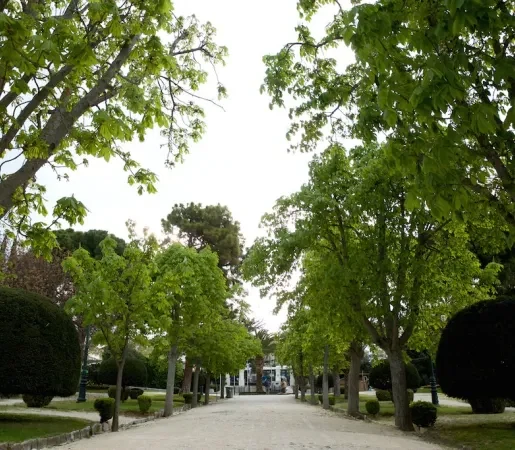

Better school facilities for happier students!
NEW EPOCH aims to create a new model for energy-efficient school buildings through a combination of high energy performance, technological innovation, bio-based materials, and educational activities.
The project transforms schools into living sustainability labs where students, teachers, and local communities actively participate.
The challenges we face
As across Europe, many schools in Greece built in the 1970s are characterized by outdated infrastructure and insufficient renovation and maintenance. Schools consume approximately 150–200 kWh/m² over an 8-month period due to poor insulation, non-energy-efficient windows, and outdated heating/cooling systems, resulting in uncomfortable indoor conditions (11°C, relative humidity above 80%, and CO2 levels exceeding 4000 ppm). Currently, typical school “renovations” in Greece involve replacing obsolete oil boilers with more efficient oil or natural gas boilers, without implementing comprehensive holistic measures.
A major obstacle is the limited renovation timeframe during the three-month summer holiday period, when conventional renovation methods are unable to deliver deep energy retrofits.
Social disengagement is also common, as schools and local communities rarely collaborate on sustainability initiatives, while municipalities often lack the necessary resources. Decision-making remains centralized, limiting local ownership of environmental issues.
The solution proposed by NEW EPOCH
The project aims to transform three schools in the Municipality of Kifissia into Positive Energy Educational Buildings (PEEBs), improving energy performance by up to ten times while creating the best possible indoor and outdoor environment for students and teachers, following a holistic approach that bridges the gap between design and construction.
The educational dimension of the project enhances sustainability by promoting knowledge exchange and collaboration among local stakeholders and communities.
Through the use of prefabricated bio-based materials, as well as the integration of renewable energy sources and smart digital systems, the schools will drastically reduce their energy consumption while producing more energy than they consume. At the same time, they will provide healthy and comfortable learning conditions, improving the daily lives of students and educators.
- The use of prefabricated solutions reduces implementation time and costs, making the model applicable even in regions with limited technical expertise.
- Waste management and circular economy principles are integrated through recycling, reuse, and resource-saving practices with high replication potential.
- The schools operate as living innovation labs, strengthening community participation and adapting activities to the local needs of each area.
- The educational dimension of the project enhances sustainability by promoting knowledge exchange and collaboration among local stakeholders and communities.
Project partnership
Coordinator: Municipality of Kifissia
Partners:
- National Technical University of Athens (NTUA)
- National and Kapodistrian University of Athens (NKUA)
- Hellenic Passive House Institute (EIPAK)
- University of West Attica (UNIWA)
- Centre for Research and Technology Hellas (CERTH)
- ONUS Architecture Studio
- Domx
- Premium Consulting
- Easy Green
- Goulandris Natural History Museum
- Kifissia Development Organization
- Electra Energy Cooperative
Knowledge transfer partners
- Brindisi Municipality
- Kourion Municipality
- Oeiras Municipality
More Information at the Website of NEW EPOCH (click here)


European Urban Initiative – Innovative Actions
This website has received funding from the European Union under the “NEW EPOCH” project, Grant Agreement No. EUI03-242, within the framework of the European Urban Initiative. The views and opinions expressed are those of the authors only and do not necessarily reflect those of the European Union or the European Urban Initiative. Neither the European Union nor the European Urban Initiative can be held responsible for the views expressed.